
"U.S. coffee regions"
200 article(s) found


Coffee leaf rust has caused serious losses in Central American coffee producing countries.
Coffee leaf rust, which begins to spread among coffee trees as small yellow spots, will soon turn coffee leaves into a pile of dead leaves. In five years, the plague among coffee trees reduced coffee production in Central America to an all-time low, affecting not only the price of coffee, but also the labor balance in the region, forcing many local citizens to emigrate illegally to the United States. Since 2

Recommendation of individual coffee beans | African coffee producing area | Zambian coffee-Rubili Manor AA
Professional coffee knowledge exchange more coffee bean information please follow the coffee workshop (Wechat official account cafe_style) Zambia AA Lupili Estate Zambia AA Rubili Manor Coffee country / Origin: Zambia Zambia Coffee producing area / Region: Kasama level / Grade: AA+ altitude / Altitude: 1400-1500m varieties / Varietals: Bourbon

Nicaraguan Coffee Flavor with rich mellow taste the characteristics of the manor producing area in Nicaragua
Coffee is Nicaragua's main export. According to the president of the Nicaraguan Coffee Farmers' Federation, due to the poor harvest of coffee in Nicaragua's Pacific region, the country's total coffee production in 1998 may be 12% lower than that in 1997. In the coffee year of 1997 and 1998, Nicaragua harvested 1.422 million bags of coffee (each bag of 46kg), which has been producing 1% of coffee in the past 14 years.

Introduction to the flavor and taste of Nicaraguan coffee Los Congo manor
In 1997 and 1998, it decreased by 12%. When tasting Nicaraguan coffee, it is best to drink cold water first, so that you can better feel its mellow taste. Drink coffee while it is hot, because the tannins in Nicaraguan coffee are easy to change during cooling, and the taste becomes sour, which will affect the flavor of the coffee. You can add the right amount of sugar, and then add cream. Enjoy
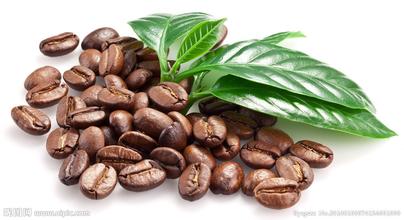
Puerto Rico's gourmet coffee is full of flavor, bitterness and nutrition
Grown only on three farms in the south-west of the island, Yocote Coffee has a strong aroma and a long aftertaste. This coffee sells at a high price and its aroma rivals that of any other coffee variety in the world. In the Yauco region, the coffee is owned and operated by local planters. The mountain climate here is mild and plants have a long maturity period (from October to February).

Introduction of Coffee Bean Flavor description method in Tianyi Manor of Nicaragua
Nicaragua is now one of the poorest countries in Central America. Due to its poor economic foundation, the coffee industry is still relatively backward, while coffee farmers are in extreme poverty. Fortunately, Nicaraguan coffee has received some foreign aid funds to improve the quality of its coffee. Coffee from Madagelba, Sinodega and Segovia in Nicaragua

Grinding scale treatment of Nicaraguan boutique coffee beans Flavor description taste manor
Nicaragua is now one of the poorest countries in Central America. Due to its poor economic foundation, the coffee industry is still relatively backward, while coffee farmers are in extreme poverty. Fortunately, Nicaraguan coffee has received some foreign aid funds to improve the quality of its coffee. Coffee from Madagelba, Sinodega and Segovia in Nicaragua

Nicaraguan Coffee Manor introduces the flavor and taste characteristics of Nicaraguan coffee
Coffee is Nicaragua's main export. According to the president of the Nicaraguan Coffee Farmers' Federation, due to the poor harvest of coffee in Nicaragua's Pacific region, the country's total coffee production in 1998 may be 12% lower than that in 1997. In the coffee year of 1997 and 1998, Nicaragua harvested 1.422 million bags of coffee (each bag of 46kg), which has been producing 1% of coffee in the past 14 years.

Introduction to the method of grinding and calibrating the varieties of Nicaraguan coffee beans with mellow flavor
Nicaragua is an economically backward agricultural country, is one of the poorest countries in Central America, the unemployment rate is very high, people live in poverty, and coffee is Nicaragua's pillar industry, producing nearly 100,000 tons of coffee beans every year. Due to the poor economic foundation, the coffee industry is still relatively backward, and coffee farmers are also in a relatively poor state. Although Nicaragua is a large part of Central America,

Coffee producing areas in Guatemala
In 1750, Father Jesuit introduced coffee trees to Guatemala, where the coffee industry was developed by German colonists at the end of the 19th century. Today, most of the coffee industry's production takes place in the south of the country.

Fragrant and delicious Nicaraguan Coffee Manor flavor and taste characteristics of lemon tree manor
Columbus arrived here in 1502 and reached the east coast of Nicaragua. In 1522, Spanish colonists began to conquer the region. The cities of Granada and Leon were founded in 1524. From then on, Nicaragua became a Spanish colony and came under the jurisdiction of the Governor's Office of Guatemala. The city of Leon developed into a political and cultural center; Granada became a commercial and agricultural center. In the later period of colonial rule

Puerto Rico coffee with full flavor and aroma
Flavor: Full grain, full flavor, full aroma Roast: Medium Roast Excellent Yocote coffee beans are kept in their shells until they are ordered and shipped to ensure optimum freshness. Relevant U.S. government personnel, such as FDA and USEA, will also be present at the time of shipment submission, and their work will be performed.

Description of taste and flavor of Puerto Rico coffee by regional treatment
Yaocote's choice of coffee, which is grown only on three farms in the southwest of the island, is fragrant and has a long aftertaste. This kind of coffee is very expensive and its flavor is comparable to that of any other coffee variety in the world. In the Yauco area, the coffee is owned and operated by local planters. The mountain climate here is mild, and the plants have a long mature period (from October to February of the following year).

How does the Columbia-Santa Marta Regional Fair Trade Association operate?
For the exchange of professional baristas, please follow the coffee workshop (Wechat official account cafe_style) Columbia-Santa Mata (Santa Marta) Regional Fair Trade Association (FT) Colombian coffee is widely sold in many producing countries, ranking the third largest in the world (the first is Brazilian coffee and the second is Vietnamese coffee). The main factor is that active volcanic activity has contributed to the success of the world.

A brief introduction to the planting market price of the fragrant varieties of Puerto Rico Larez Yaoke coffee beans
The Spanish-American War of 1889 ended with the victory of the United States, ending more than 400 years of Spanish rule over Puerto Rico. The demand for sugar in the United States has increased significantly, while the hurricane destroyed most coffee plantations, and the coffee industry in Puerto Rico was hit hard by natural and man-made disasters. In the 20th century, the national economy of Puerto Rico developed rapidly, with the strong support of the government and the local government.

Brief introduction to Climate and altitude of Coffee Bean cultivation in Nicaragua
The coffee produced in Nicaragua's Madagelba, Sinodega and Segovia is highly respected by coffee lovers all over the world. In particular, the coffee produced in the Madaguelba region tastes very similar to the Kenyan AA coffee. Nicaragua is an economically backward agricultural country and one of the poorest countries in Central America. The unemployment rate is very high and the people live in poverty.

The supply of Sumatran raw beans is tight and the domestic sale of Indonesian coffee has greatly increased Sumatra's popularity.
Professional coffee knowledge exchange more information on coffee beans Please follow the coffee workshop (Wechat official account cafe_style) over the past few decades, Indonesia has supplied low-yield precious coffee beans to coffee roasters around the world. Coffee brewed with local beans has a unique flavor and is loved by experts. Indonesians used to prefer tea, but now the situation has changed. As we get younger,

Nicaraguan Coffee Flavor description Variety characteristics taste introduction to the baking degree of boutique coffee bean manor
Nicaragua is now one of the poorest countries in Central America. Due to its poor economic foundation, the coffee industry is still relatively backward, while coffee farmers are in extreme poverty. Fortunately, Nicaraguan coffee has received some foreign aid funds to improve the quality of its coffee. Coffee from Madagelba, Sinodega and Segovia in Nicaragua
Global coffee producing area-Puerto Rico
In 1736, coffee trees were introduced from Martinique to PuertoRico.